


Image source: Unilever plc
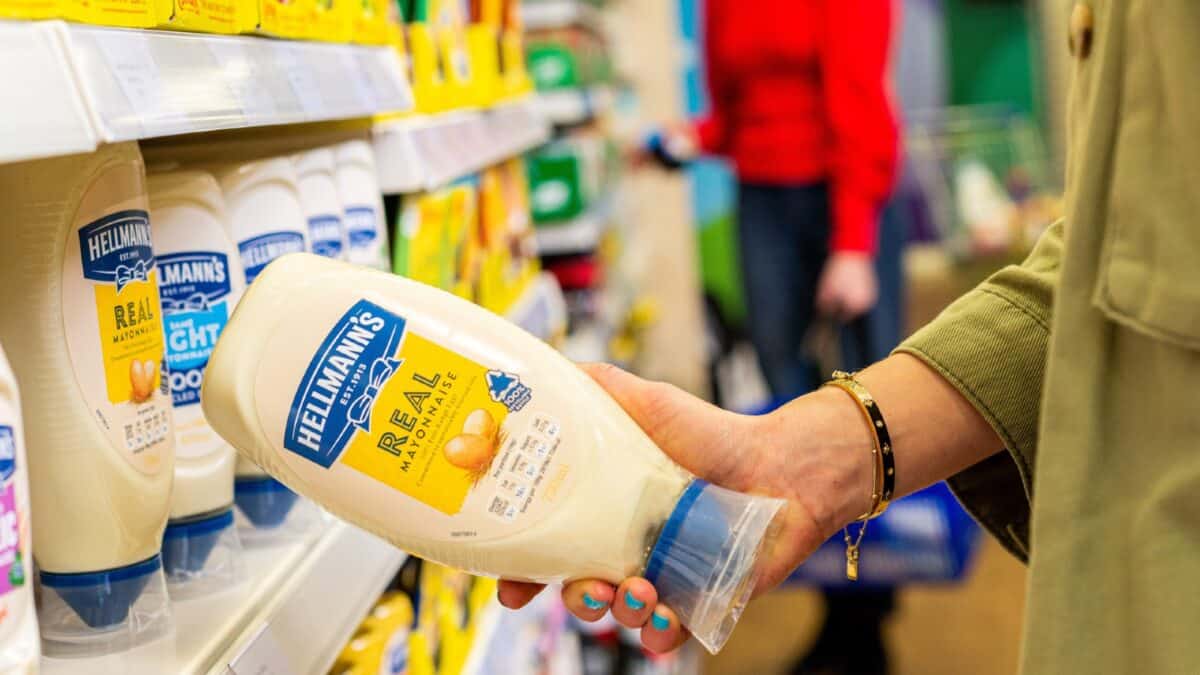
Consumer goods giant Unilever (LSE: ULVR) today (31 March) announced that it is in “advanced discussions” with Schwartz owner McCormick about “a potential strategic transaction involving elements of its Foods business”. It then announced shortly afterwards that it has agreed to combine its entire foods business with McCormick. That was quick!
What might that mean for the Unilever share price down the road?
There is a strategic logic here
Personally I will be sad to see Unilever get rid of its food business.
After all, the firm itself is a combination of the Lever brothers’ detergent business, associated with the iconic Port Sunlight model village on the Wirral, and Dutch margarine maker Unie close to a century ago.
Unilever got out of the margarine business in 2017 but its food division remains a nod to its corporate heritage.
It is also a large part of the company today. Last year it delivered €13bn of revenue, just over a quarter of the FTSE 100 firm’s total revenue.
But it had the slowest revenue growth of Unilever’s four operating divisions.
Other large consumer goods companies have streamlined their portfolios to focus on higher growth potential businesses in recent years.
Unilever took a similar move last year when it spun off the Magnum Ice Cream Company. There is a logic to further reducing its footprint in the food business.
Could a transaction create value for shareholders?
That logic is debatable, though.
Going back to the original merger between Unie and Lever Brothers, the idea was that scale could help. For example, it would give the combined business more heft when negotiating with retailers.
I think that remains true today, even though Unilever would still be a substantially sized business even if it gets out of foods altogether.
Rivals have exited some businesses to focus on what is often described as the higher margin beauty business. That logic may seem to apply to Unilever, owning as it does brands like Dove.
Personally, though, I am not convinced by that. Last year, the food business and personal care business had the same underlying operating margin. Both the beauty and wellbeing and personal care businesses had markedly lower underlying operating margins.
The dust is still settling
Given its strong brand stable, I could see Unilever attracting potentially attracting other, unsolicited, bids for its food division.
The company’s smaller size after the transaction may make it more vulnerable to a takeover bid itself, I reckon.
The $16bn it is set to get in cash from the transaction will help its balance sheet and could fund strategic acquisitions.
Unilever will also own almost 10% of the new firm, so it will be in the foods business as a shareholder. Unilever shareholders will get the majority of the new firm.
That deal structure means the transaction may not affect the Unilever share price much in the short term. It seems to me that Unilever is getting a fair price.
At 19 times earnings, the company’s share price is not particularly attractive to me, so I have no plans to invest.